
Water and Reflection
Netherlands, Amsterdam
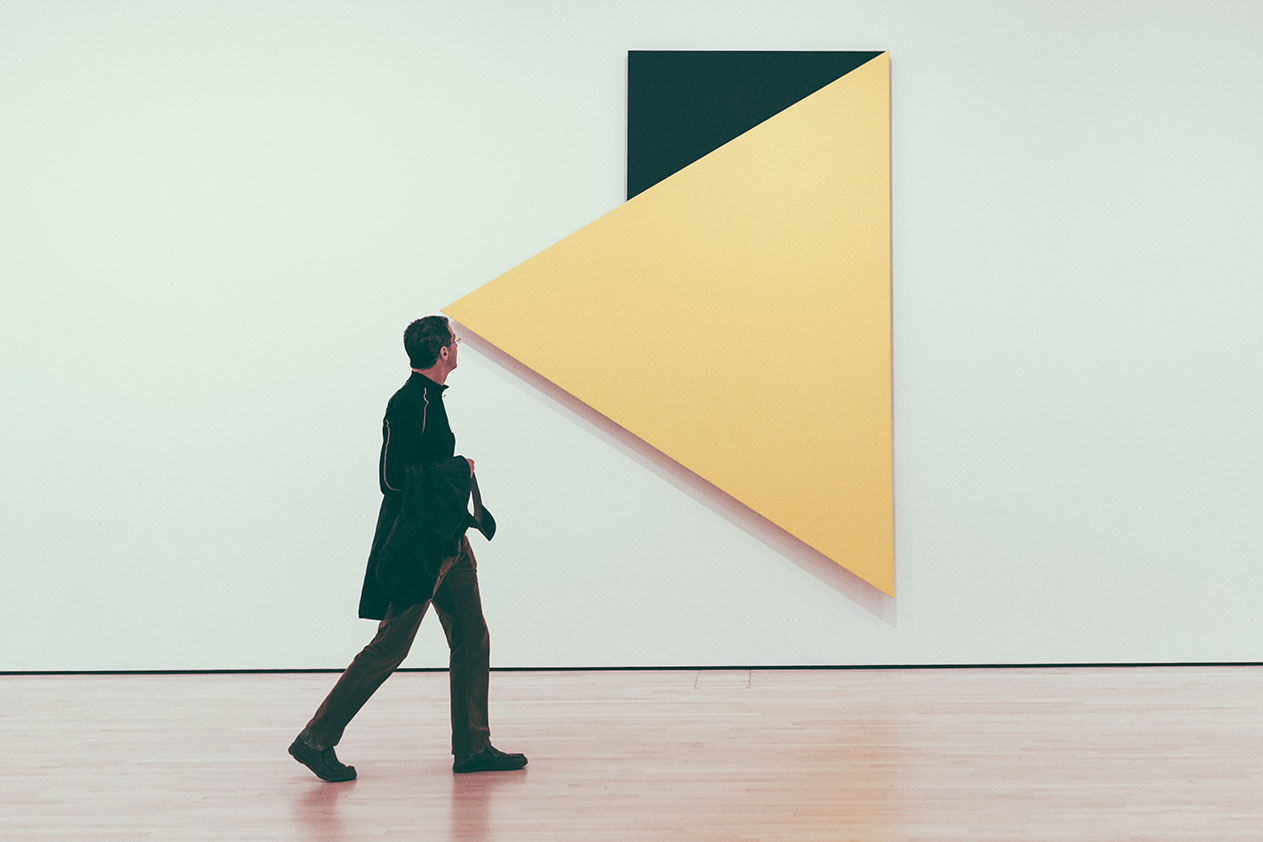
Amsterdam was the venue for this 2023 exhibition, which took water, glass and mirror as both motif and conceptual frame.
Canals, windows and reflective surfaces recurred across media, with an interest in how the image doubles and fragments. The installation used natural light and simple hanging to reinforce themes of transparency and depth.
Dutch coverage emphasised the show’s coherence with local traditions of light and reflection while remaining clearly rooted in current concerns.
Tradition as Material
Japan, Tokyo
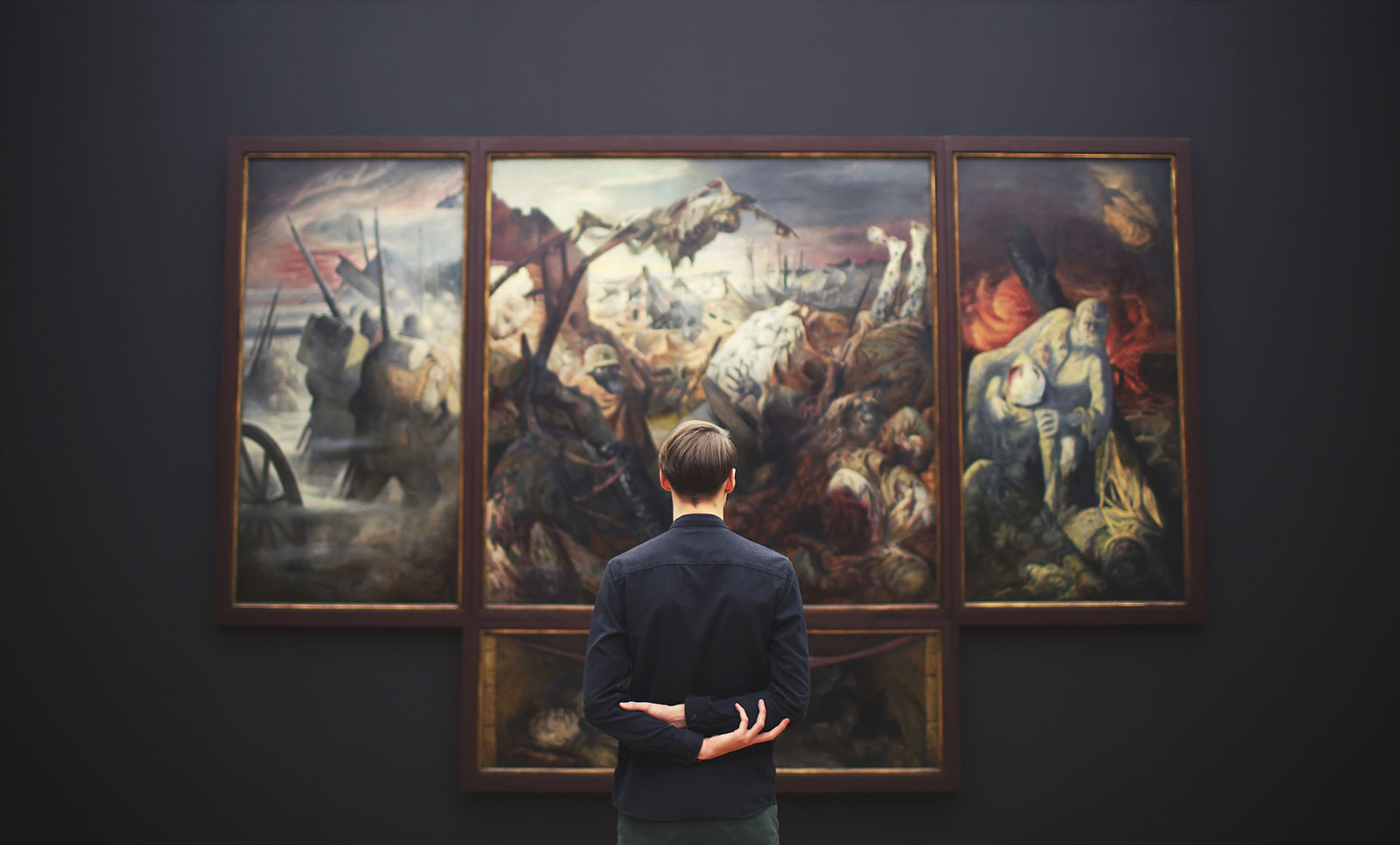
Tokyo hosted this project in 2022, centring on the use of traditional formats and materials within a contemporary practice.
Works referenced scroll formats, single-sheet composition and particular pigments, without pastiche. The aim was to treat tradition as a set of constraints that could generate new solutions rather than as a style to imitate.
Japanese commentators highlighted the dialogue between Western and Eastern pictorial space and the role of the hand in an age of digital reproduction.
Scale and the Body
USA, New York
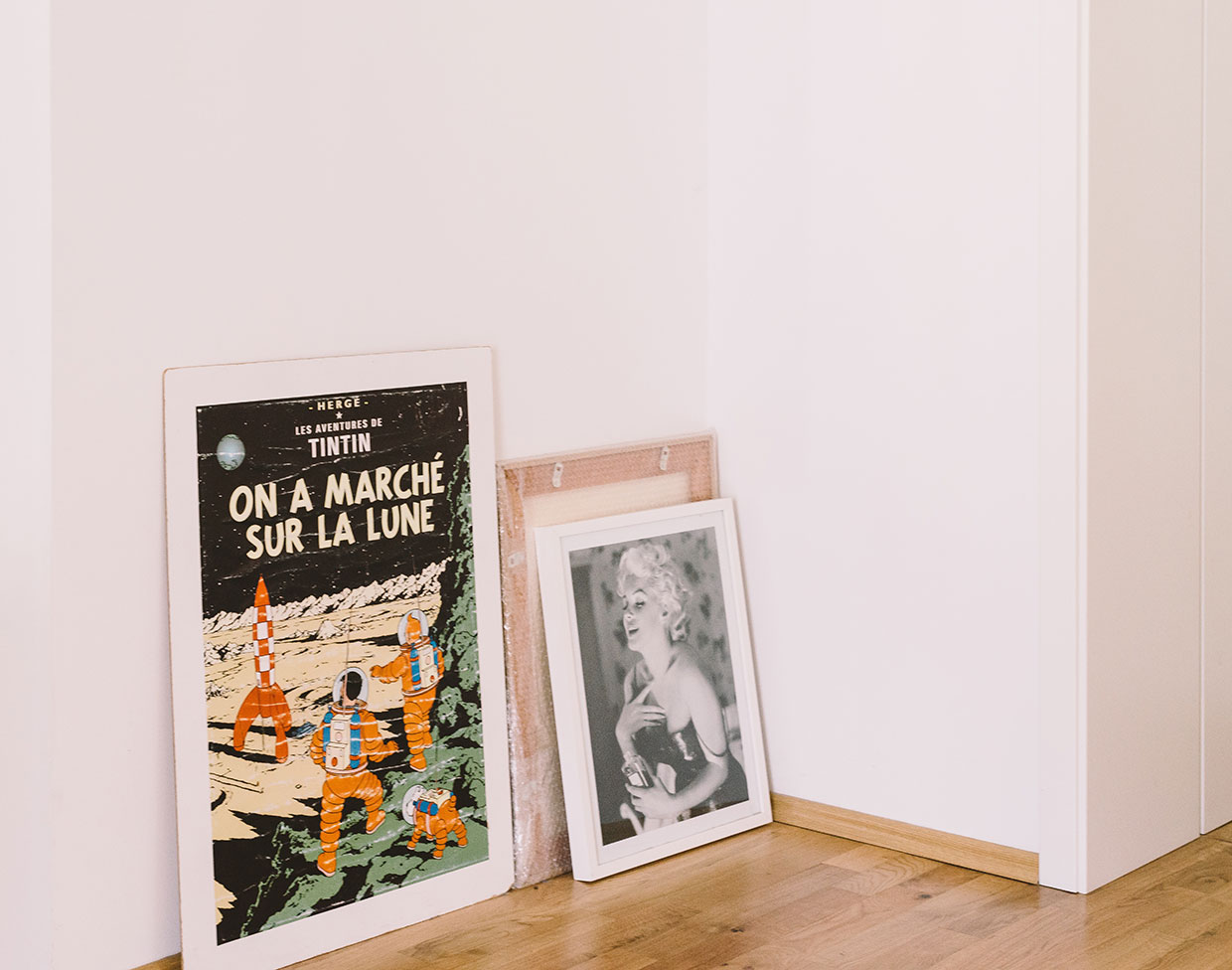
New York saw this exhibition in 2021, with an emphasis on how scale shifts meaning when the human body is the constant reference.
Small panels and large canvases shared the same room; some pieces invited close looking, others demanded distance. The selection included both intimate portraits and architectural or abstract elements that echoed bodily proportion.
Discussion in the US focused on the relationship between studio scale and the scale of the city and the screen.
Narrative and Silence
UK, London
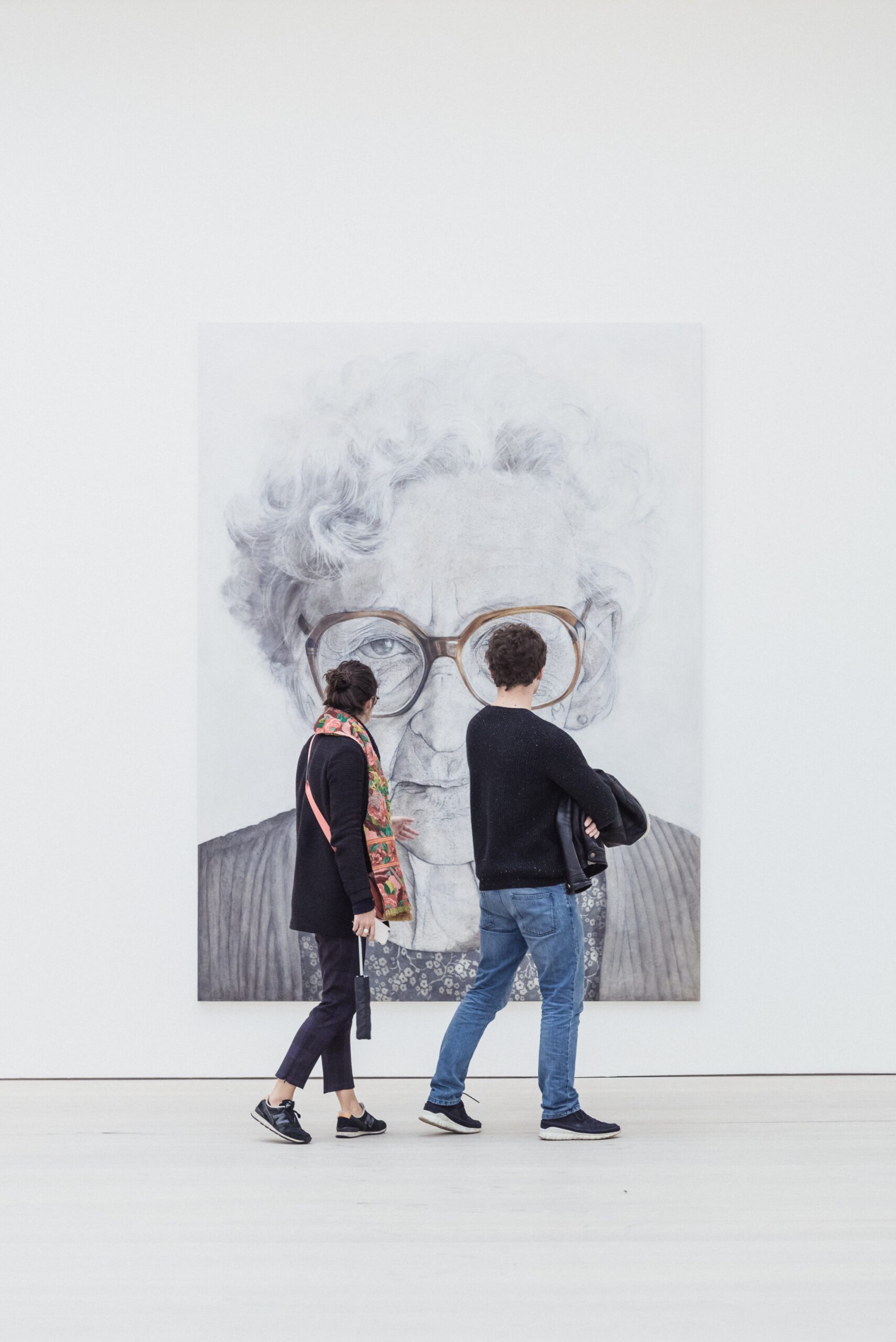
Staged in London in 2020, the exhibition brought together figurative work that hovers between storytelling and refusal to explain.
Figures appear in mid-gesture or at rest; backgrounds are often reduced to tone or pattern. Text and caption were deliberately omitted so that each piece could hold its own ambiguity. The show argued for narrative as suggestion rather than illustration.
Reviews stressed the economy of means and the viewer’s role in completing the scene.
Between Interior and Street
Spain, Madrid
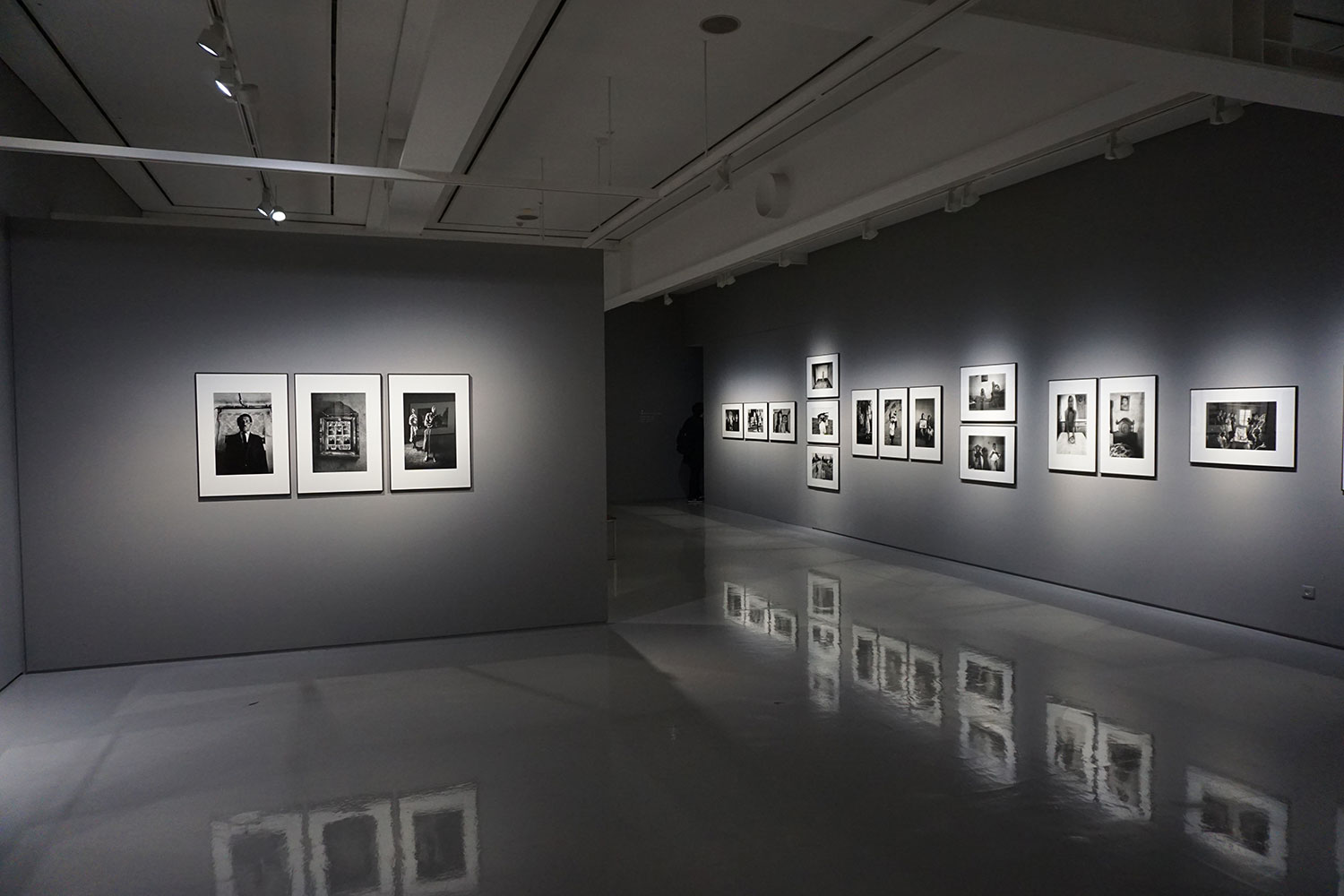
Presented in Madrid in 2019, this body of work examined the threshold between domestic space and public life.
Paintings and works on paper moved from windowsills and doorways out into plazas and markets, keeping a consistent interest in framing and the edge of the visible. The installation used simple partitions to create a rhythm of open and closed views.
Spanish critics linked the approach to a renewed attention to the everyday in Iberian painting and photography.
Fragments of the Eternal City
Italy, Rome
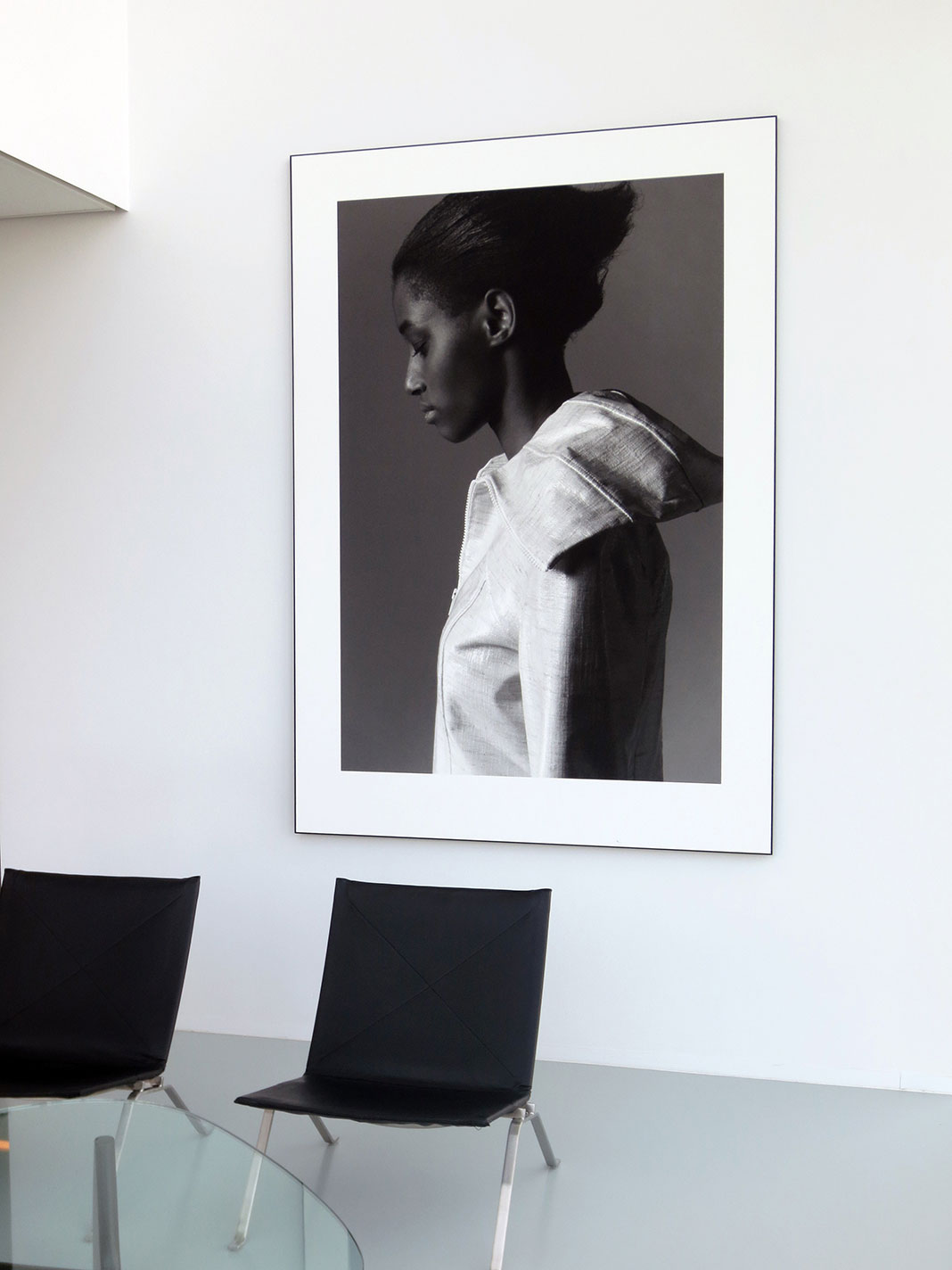
Rome hosted this exhibition in 2018–2019, with works that responded directly to the city’s layers of history and myth.
Pieces combined archival imagery, site-specific notes and traditional media to ask how contemporary vision meets ancient stone and narrative. The show did not seek to illustrate Rome but to register the experience of moving through it.
Curators placed emphasis on duration and repetition: the same corners and passages revisited across seasons.
Light and Shadow in the Atelier
France, Paris
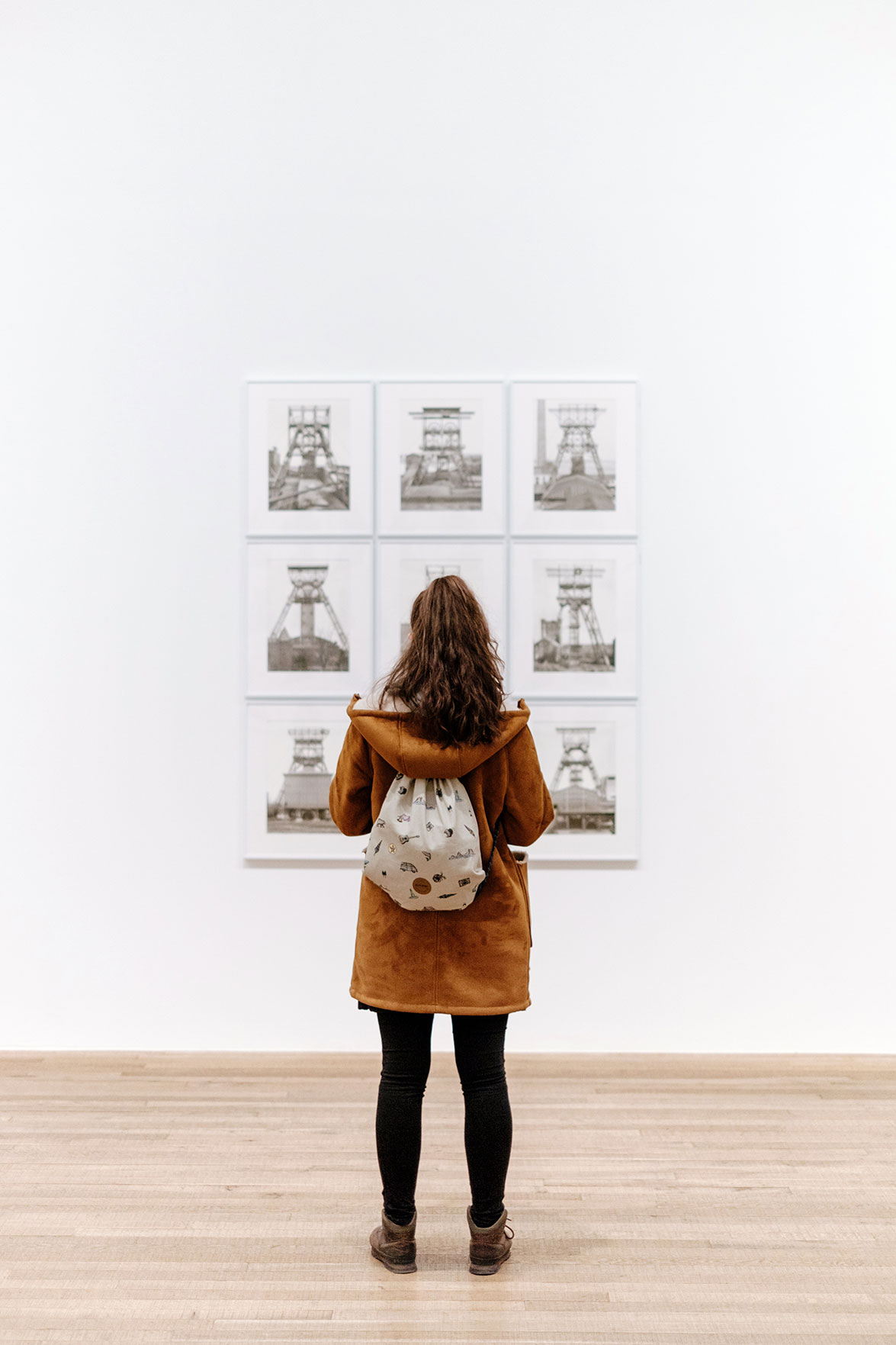
Shown in Paris from late 2017 through early 2019, this selection focused on studio practice and the play of natural light on canvas and paper.
Visitors encountered a series of studies made in a single north-facing space over two years, alongside larger pieces that carried those experiments into colour and scale. The curation emphasised process rather than finished statements.
French press noted the show’s quiet insistence on observation as a form of resistance to speed and spectacle.
Inhabitants of Megacities
Germany, Berlin
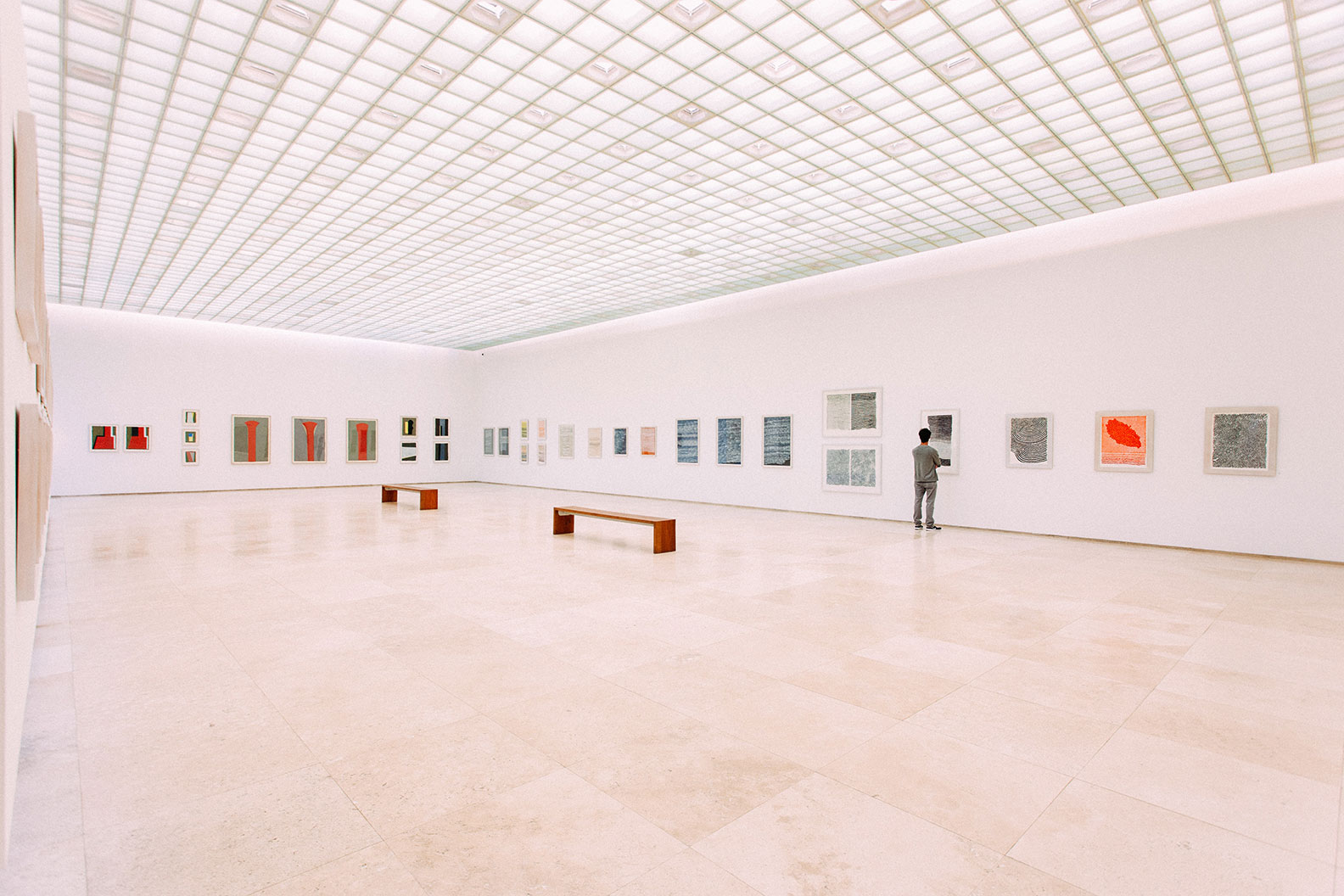
The exhibition was present in various locations in Berlin in September 2016 and from October 2017 to January 2018.
Urban life and the human figure in crowded spaces formed the core of this show. Works on display explored how identity shifts when we move through transit hubs, streets and rooftops, with a focus on drawing and mixed media.
Critical response highlighted the tension between intimacy and anonymity, and the way the city itself became both subject and stage.